Discover Electronics Recycling Services for Eco Disposal
Sustainable Solutions: How E-Waste Recycling Services Are Saving Our Planet
Electronic waste presents serious dangers to the environment, as disposed electronics frequently harbor hazardous substances. These hazardous substances can contaminate soil and water, causing extensive damage to surrounding ecosystems. E-waste recycling services present a viable solution. They successfully retrieve useful resources while simultaneously minimizing environmental pollution. Understanding how these services operate and their impact on communities is essential. Pursuing efficient e-waste management brings forth pressing questions regarding individual duties and shared responsibility. What measures can be pursued from this point onward?
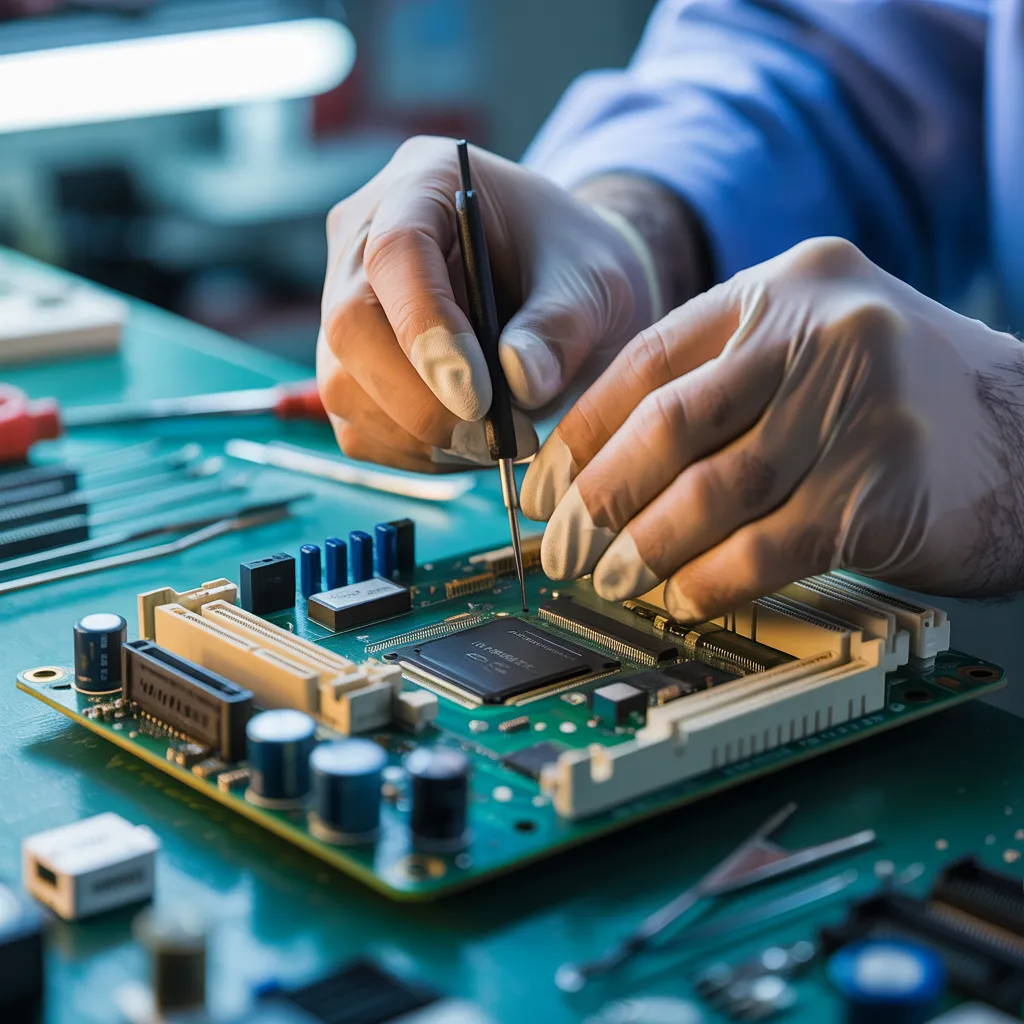
The Reasons E-Waste Is Damaging to the Planet
Even though technology enhances modern life, e-waste creates serious threats to the environment. Abandoned electronic gadgets, often containing hazardous materials such as mercury, lead, and cadmium, can leach toxins into soil and groundwater, presenting dangers to both wildlife and human well-being. The swift progression of technology contributes to increased consumer turnover of electronics, intensifying the growing problem of e-waste.
Landfills, already overwhelmed with refuse, find it difficult to handle the increasing amounts of discarded devices. Burning, an alternative disposal approach, discharges toxic contaminants into the air, worsening overall air quality. In addition, improper recycling practices can lead to the exportation of e-waste to developing countries, where laborers may dismantle devices without adequate safety measures, exposing themselves to dangerous substances. This ongoing cycle of carelessness and inadequate management emphasizes the pressing necessity for responsible recycling initiatives that can lessen the harmful consequences of e-waste on our world.
What Is E-Waste and Its Importance?
Electronic waste, commonly known as e-waste, comprises obsolete electronic products including smartphones, computers, and televisions that have reached the end of their useful life. This growing category of waste is significant owing to its accelerating volume, fueled by innovation in technology and shifting consumer habits. With an increasing number of devices reaching obsolescence, the toll on the environment grows more severe, with dangerous elements including lead, mercury, and cadmium threatening both ecosystems and public health.
The importance of addressing e-waste lies not only in mitigating these hazards but also in recognizing the valuable materials it contains. Precious metals and rare earth elements can be recovered and reused, reducing the need for mining and conserving natural resources. By understanding e-waste and its implications, individuals and organizations can make informed decisions about disposal and recycling, ultimately contributing to a more sustainable future. Proper management of e-waste is essential for fostering a circular economy and promoting environmental stewardship.
How the E-Waste Recycling Process Works
E-waste recycling entails an organized procedure designed to recover valuable materials while reducing harm to the environment. Initially, discarded electronics are retrieved and sent to specialized recycling facilities. After reaching the facility, the equipment is meticulously organized to distinguish harmful elements from reusable resources.
Following this, employees deconstruct the products, removing plastics, metals, and glass. This step is critical, as it makes possible the extraction of precious metals like copper, gold, and silver, which can be reused in new electronic devices.
Following this, the isolated materials are refined via sophisticated techniques, such as shredding and specialized chemical treatments, to refine them for repurposing.
In the final step, the remaining hazardous materials are disposed of responsibly, adhering to environmental guidelines. This comprehensive process not only saves important resources but also reduces the dangers connected to improper e-waste disposal, guaranteeing a greener future for electronic consumption.
Benefits of E-Waste Recycling for You and Your Community
Though many people are unaware, the positive effects of e-waste recycling extend beyond personal convenience to positively impact entire communities. By carefully processing electronic waste, individuals play a role in creating a healthier environment, minimizing harmful substances that can contaminate soil and water. This responsible method helps preserve local ecosystems and supports public health.
In addition, e-waste recycling promotes employment opportunities within local communities. Local recycling facilities often require personnel for various operations, including collection and processing, thereby providing employment opportunities to area workers. This not only stimulates the local economy but also inspires community dedication to sustainable efforts.
Moreover, knowledge about e-waste recycling has the potential to generate educational initiatives, encouraging residents to adopt eco-friendly choices. By engaging with e-waste recycling programs, individuals promote a culture of sustainability, encouraging others to embrace similar practices. All things considered, the shared impact of these actions can result in a more strong and environmentally aware community.
How to Choose an E-Waste Recycling Service
Picking the most suitable electronic waste recycling provider is essential for guaranteeing that electronic waste is handled with responsibility and sustainability. To begin, people should confirm the service's certifications, such as R2 or e-Stewards, which indicate adherence to established benchmarks for responsible recycling methods. It is equally important to examine the provider's reputation by reading customer reviews and looking for advice from dependable sources.
Furthermore, clarity in the recycling process is essential. A reliable service should provide clear information about the way e-waste is handled and how the materials are utilized. Additionally, considering the scope of services provided can prove valuable; certain providers may offer collection services or present rewards for recycling.
Furthermore, familiarizing yourself with local guidelines related to e-waste disposal can further guide the decision-making process. When these considerations are given priority, residents can actively participate in efficient electronic waste handling while supporting eco-friendly habits.
How You Can Get Involved in E-Waste Recycling?
Engaging in e-waste recycling can start at the local level, where recycling centers often provide essential services for responsible disposal. Moreover, participating in community awareness campaigns can amplify efforts to inform others regarding the importance of proper e-waste handling. Such efforts not only promote sustainability but also cultivate a collective sense of responsibility toward the environment.
Local Recycling Centers
A wide range of local recycling centers play an essential role in the recycling of e-waste, giving communities practical solutions to discard electronic Read on waste in an eco-friendly way. These centers accept a range of electronic equipment, including old computers, smartphones, and televisions, ensuring that harmful materials are handled safely. Most centers are equipped with experienced team members who are able to assist individuals with correct disposal techniques, emphasizing the importance of recycling over landfilling. Furthermore, many centers offer drop-off events or designated collection days, making participation convenient for residents. By engaging with these local facilities, community members advance a circular economy, minimizing ecological impact and fostering sustainable behaviors. Working alongside these hubs empowers communities to take action against e-waste pollution effectively.
Community Education Campaigns
Community groups, educational institutions, and companies can partner to arrange initiatives that encourage e-waste collection drives. Community members can serve a critical function in spreading awareness, distributing educational materials, and engaging with the community. Through these collective efforts, local inhabitants gain greater awareness and encouragement to properly recycle their e-waste, ultimately contributing to a more sustainable future.
Answers to Your Most Common Questions
What Electronic Devices Are Eligible for Recycling?
A wide range of electronics can be recycled, including computers, smartphones, televisions, laptops, gaming consoles, and printers. Moreover, ancillary devices such as mice, keyboards, and batteries are also suitable for recycling, promoting eco-friendly conservation initiatives.
Is There a Cost Associated With E-Waste Recycling?
That's correct, e-waste disposal may involve costs, subject to the service provider. Some service centers apply costs for pickup or handling, while others offer free services, typically funded by the resale of recovered materials.
How Can Businesses Benefit From E-Waste Recycling?
Organizations can gain from e-waste recycling by minimizing disposal costs, strengthening their ecological standing, adhering to regulatory requirements, extracting valuable resources, and creating potential earnings via resale, thus supporting a greener and more sustainable operational framework.
What Happens to Data on Recycled Devices?
Data on repurposed equipment is commonly completely removed or destroyed during processing. This guarantees sensitive information stays protected, stopping improper access while permitting materials to be repurposed securely and sustainably across new manufacturing processes.
Are Broken Electronics Eligible for Recycling?
Indeed, defective electronics may be recycled. Many collection points take in non-functioning devices, guaranteeing proper disposal and extraction of useful materials. Doing so helps reduce harm to the environment while fostering eco-friendly recycling methods to address electronic waste responsibly.